


HAIR TISSUE MINERAL ANALYSIS (HTMA) is a metabolic test that assesses mineral levels and ratios in the body based on a hair sample, reflecting 6–8 weeks of biochemical changes. Unlike blood, which is tightly regulated by homeostasis, HTMA reveals long-term mineral patterns and toxic burdens.
Why is hair such a good material for analysis?
- Hair is not subject to homeostasis, therefore it reflects true mineral accumulation.
- Minerals are 10–50 times more concentrated in hair than in blood (easier detection).
- Hair growth provides an average picture of the body’s state instead of a momentary snapshot.
HTMA = long-term biomarkers.
What does HTMA show?
1. Major macroelements (Ca, Mg, Na, K)
- Calcium (Ca) – metabolic rate, nervous tension, enzyme activation
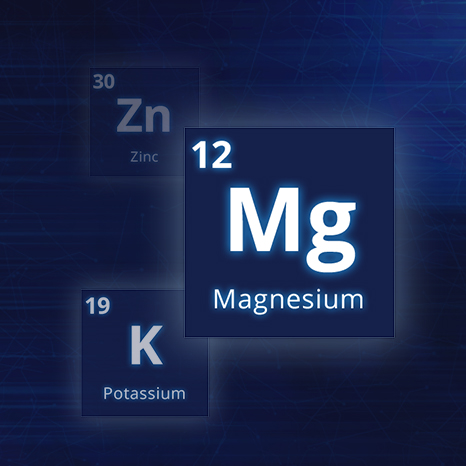
- Magnesium (Mg) – nervous system, relaxation, energy metabolism
- Sodium (Na) – stress response, cortisol, blood pressure
- Potassium (K) – electrolyte balance, heart function, cellular sensitivity
2. Key trace elements
- Zinc (Zn) – immunity, testosterone, wound healing
- Copper (Cu) – energy production, nervous system, balance with zinc
- Selenium (Se) – thyroid function, antioxidation
- Chromium (Cr) – glucose metabolism
3. Toxic metals
HTMA effectively detects burdens of:
- lead
- aluminum
- mercury
- cadmium
- nickel
What makes HTMA different from other tests?
HTMA does not diagnose diseases — it provides functional biomarkers that help to:
- identify chronic deficiencies
- assess metabolic rate
- analyze stress load
- determine electrolyte imbalances
- evaluate thyroid and adrenal risk (via mineral ratios)
The most well-known metabolic indicators in HTMA
1. Ca/P — metabolic rate
- high Ca/P → “slow metabolism”
- low Ca/P → “fast metabolism”
2. Na/K — adrenal axis
The most important indicator in the entire analysis:
- high → acute stress response
- low → adrenal exhaustion, chronic state
3. Zn/Cu — detoxification and inflammation
- high → copper deficiency
- low → chronic oxidative stress, oxidized copper
4. Ca/Mg — nervous tension
- high → tension, insomnia
- low → decreased energy, insulin resistance
Applications of HTMA
- fatigue and low energy
- thyroid disorders
- glucose and insulin disturbances
- difficulty with weight reduction
- symptoms of chronic stress
- heavy metal analysis
- personalized supplementation
- FAQ
Does HTMA replace blood tests?
No — it complements them.
Blood = a snapshot in time
Does hair dye affect the result?
Yes — therefore hair is collected as close to the scalp as possible and dyed sections are avoided.
Does HTMA detect heavy metals?
Yes — it detects long-term exposure, even when metals are no longer visible in blood.
- Key takeaways
HTMA provides a 6–8 week metabolic profile
Key indicators: Ca/P, Na/K, Zn/Cu, Ca/Mg.
HTMA complements blood tests — it does not replace them.
It is one of the best tools for assessing long-term mineral deficiencies and heavy metal exposure.
References:
- 1. Hambidge, K. M., & Krebs, N. F. (2007). Zinc deficiency: A special challenge. Journal of Nutrition; Role of zinc, Zn/Cu ratio, immunity, and oxidative stress.
- 2. Mullaney, D., et al. (2013). Hair mineral analysis: An effective tool for assessing long-term mineral status. Journal of Orthomolecular Medicine; Support for HTMA as a long-term assessment tool.
- 3. Park, S. et al. (2016). Analysis of trace elements in scalp hair as indicators of nutrition and health status. Ann Occup Environ Med.
- 4. Bergdahl, I. A. (2005). Methods for biological monitoring of exposure to metals. Scandinavian Journal of Work, Environment & Health; Comparison of blood, urine, and hair as exposure biomarkers.
Die Haarmineralanalyse (HTMA) ist ein funktionelles und beobachtendes Instrument. Sie ersetzt weder die medizinische Diagnostik noch die ärztliche Beratung.