
What Do Lifeline Diag Customers Who Completed an HTMA Hair Test Say? Data From Surveys and Reviews

We gathered data from over 600 survey responses and nearly 500 verified customer reviews of LifelineDiag. See what people who have completed an HTMA hair test actually say about the ordering process, service, and report. One of the most common questions when choosing a laboratory for hair mineral analysis is: "Can I trust the results, and are other customers satisfied?" Rather than pointing to random forum threads, we decided to gather and present data straight from our own sources: a long-running customer satisfaction survey and verified reviews collected by the independent platform TrustedShops.


What should you pay attention to when choosing a Hair Tissue Mineral Analysis (HTMA)?

When choosing a Hair Tissue Mineral Analysis (HTMA) provider and test, the key factors to pay attention to are: the analytical method used (ICP-OES provides the highest reliability), how results are interpreted (mineral ratios matter more than single values), whether the test assesses long-term trends rather than momentary snapshots, what is included in the package price, and how often retesting is recommended. Below is a detailed checklist of what to look for.

How Much Does a Hair Tissue Mineral Analysis (HTMA) Cost? (2026)

A Hair Tissue Mineral Analysis (HTMA) typically costs between $100 and $400 in the United States, depending on what is included — from a basic lab-only report to a comprehensive package with practitioner consultations. Lifeline Diag's standard package is $169 USD, placing it in the mid-range while offering ICP-OES analysis of 29 elements, heavy-metal assessment, and a full interpretative report.

How to Order a Hair Mineral Analysis Test Online – Step-by-Step Guide

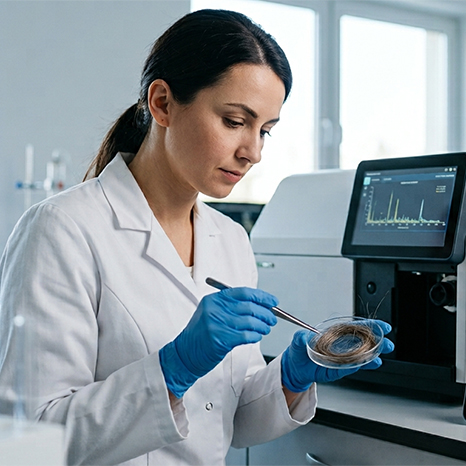
Ordering a Hair Tissue Mineral Analysis (HTMA) test online is a simple process that can be completed entirely from home. After placing your order, you will receive all the necessary instructions and information by email. Simply collect a small hair sample by following the instructions, then send it to the laboratory by post or courier. Once the analysis is complete, your educational report will be available in your online dashboard, describing the levels of selected elements and their ratios.

How Often Should You Get a Hair Mineral Analysis (HTMA)?

Hair Tissue Mineral Analysis (HTMA) provides information about the mineral composition of a hair sample, reflecting the period during which the analyzed hair grew. Since hair grows at an average rate of approximately 1 cm (0.4 inches) per month, repeating the test too frequently usually does not provide meaningful new information. In most cases, HTMA is best repeated every 3–6 months, depending on the purpose of monitoring.

Magnesium and HTMA – Why Does Assessing Magnesium Status Require a Broader Perspective?

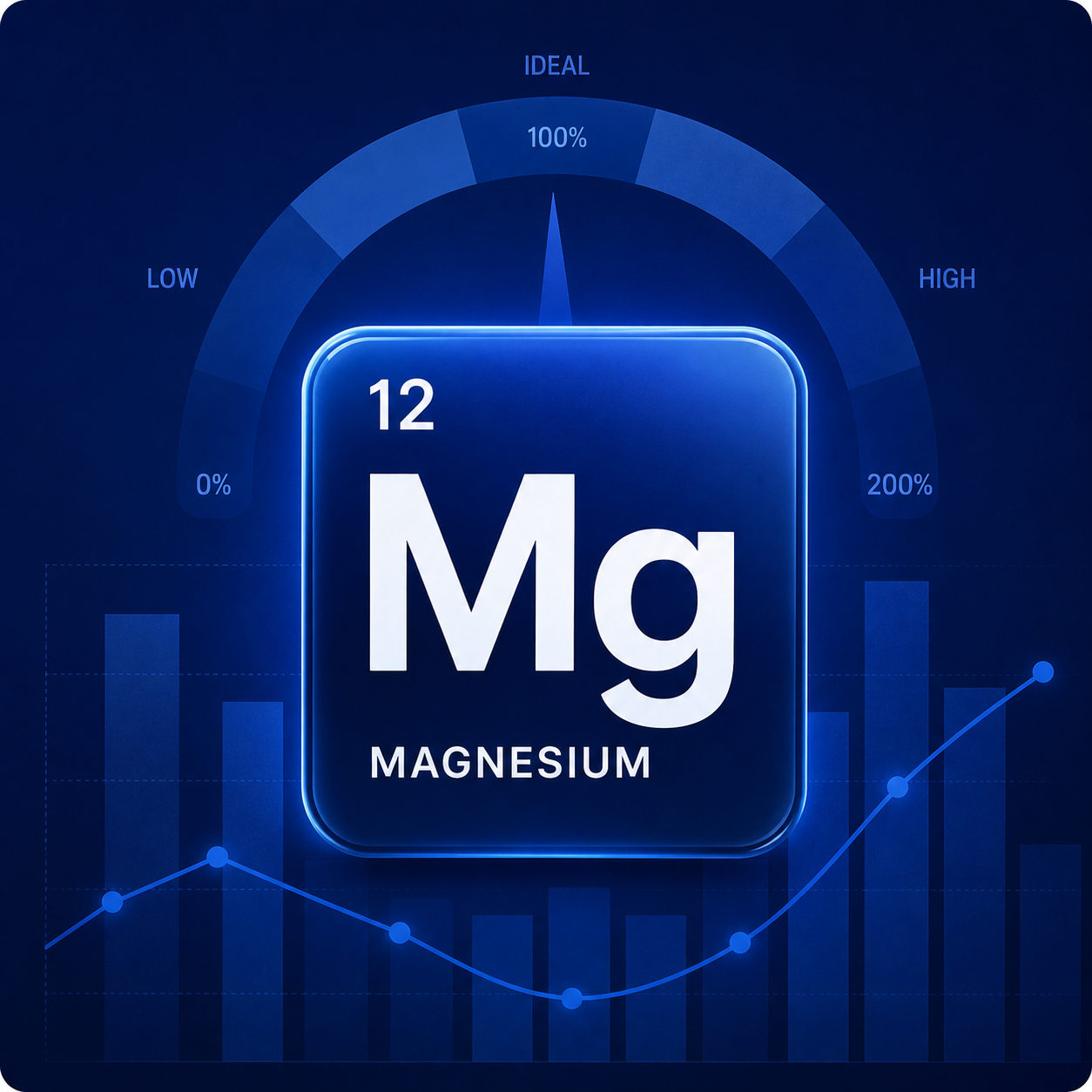
Magnesium is one of the key minerals for the function of the nervous system, muscles, energy production and metabolic processes. However, assessing magnesium status is not simple, because only a small part of the body’s total magnesium pool is found in the blood. Hair Tissue Mineral Analysis (HTMA) does not replace laboratory testing, but it may help assess long-term mineral patterns, relationships between elements and the metabolic context in which magnesium should be interpreted.

HTMA for Monitoring Supplementation and Lifestyle

Hair Mineral Analysis (HTMA – Hair Tissue Mineral Analysis) is used as a biomonitoring tool and for observing long-term mineral trends. In practice, many people use HTMA to monitor changes related to diet, supplementation, and lifestyle. However, hair analysis is not a diagnostic test for diseases and should not replace medical consultations or laboratory tests recommended by a physician.

Does HTMA detect heavy metals?

Hair Mineral Analysis (HTMA – Hair Tissue Mineral Analysis) is one of the methods used to assess long-term exposure to selected heavy metals and environmental elements. In biomonitoring, hair is recognized as a biological material that may reflect exposure occurring over several weeks or months. However, HTMA is not a diagnostic test for diseases and should not be used as a standalone tool to diagnose heavy metal poisoning.

HTMA in Practice – What Does Hair Mineral Analysis Really Show?

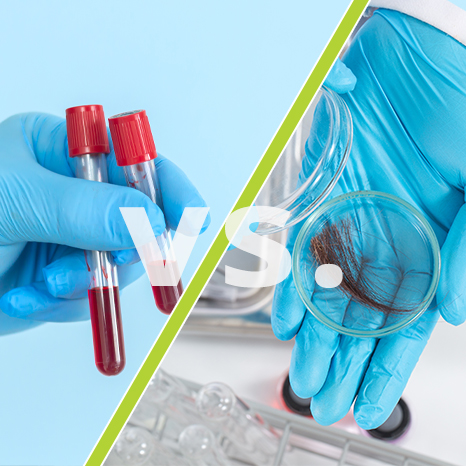
Hair Tissue Mineral Analysis (HTMA) is a method that generates both interest and controversy. On the one hand, it is used in biomonitoring and environmental research; on the other, it is sometimes misinterpreted as a diagnostic tool. In this article, presented as a conversation with Dr. Anna Romaniuk, we explain what HTMA actually shows, what its limitations are, and how its results should be interpreted in practice.

Hair Tissue Mineral Analysis (HTMA): A Complete Guide

Hair Tissue Mineral Analysis (HTMA – Hair Tissue Mineral Analysis) is often presented online as a test that can “explain everything.” In reality, HTMA can be a useful functional and monitoring tool — but only when its scope, limitations, and proper interpretation are clearly understood.

Is Hair Tissue Mineral Analysis (HTMA) Reliable?

Hair Tissue Mineral Analysis (HTMA) has long attracted the interest of people who want to understand their health, metabolism and mineral balance on a deeper level. At the same time, many questions arise: Is the method reliable? Is it supported by scientific evidence? What can it actually tell us?

KETOGENIC DIET a Revolution in Nutrition or Another Trend?

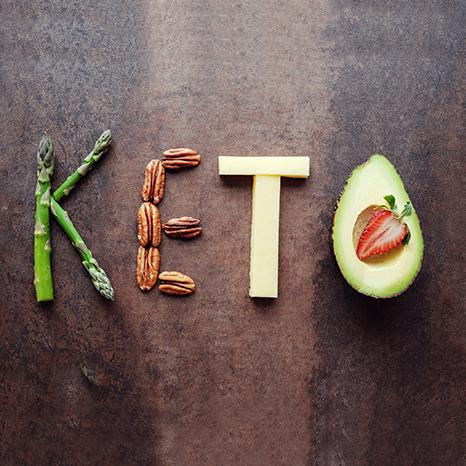
In today’s globalized society, where effective methods for improving health and physical condition are continuously sought, the ketogenic diet has emerged as a potential revolution in the field of nutrition. But what exactly is the keto diet? Is it just another fleeting trend, or a significant shift in our approach to eating? Let's delve into the secrets of the ketogenic diet by examining its benefits, controversies, and effects on the body.

LIFE AROUND THE NUMBER ONE: A CHILD WITH DIABETES Diet, Insulin Therapy, and Glycemic Control

Constant weighing and calculating food, ongoing worry, uncertainty, feelings of fear, and sleep interrupted by fright. These are just some of the problems faced by parents of children with Type 1 Diabetes. Every day, right after waking up, thoughts about glycemic levels and the uncertainty of whether their child will wake up at all cloud their minds… Is there anything that can alleviate this fear and slightly improve the life quality of a parent with a diabetic child? Certainly, knowledge that each of them must possess to properly care for their child is crucial. One of the key aspects related to this disease is a proper diet and administering the correct insulin doses. Feeding a child with Type 1 Diabetes is not easy, but it is something that can be learned.

Superfoods. We encounter this term more and more often. What does it mean? Where does it find its application?

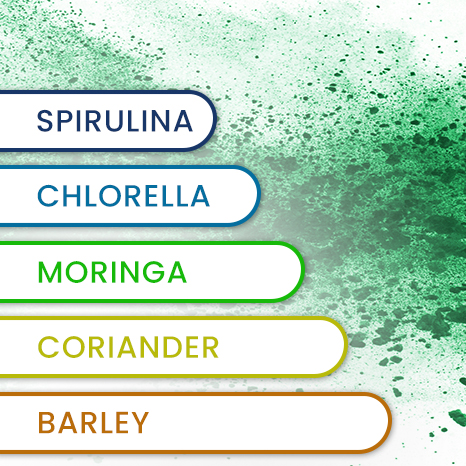
Superfoods are considered to be foods that are particularly rich in nutrients and antioxidants and are attributed with beneficial health properties. Although this group includes some fish and other food products, it primarily consists of plants. Some key superfoods include moringa (Moringa oleifera Lam.), coriander (Coriandrum sativum L.), barley (Hordeum vulgare L.), chlorella (Chlorella vulgaris Beijerinck), and spirulina (Spirulina plantis).

INTESTINAL MICROFLORA COMPOSITION AND THE DEVELOPMENT OF OVERWEIGHT AND OBESITY - Do They Have Something in Common?

Overweight and obesity are the plague of the 21st century, spreading wider and wider. According to research conducted in Poland in 2014, they have already been diagnosed in 62% of adult men and 46% of women. Excessive body weight is a result of inadequate energy intake compared to insufficient energy expenditure. Unfortunately, easy access to highly processed food with high sugar content, coupled with low fiber intake and very low physical activity, paves the way to obesity and, consequently, to metabolic diseases such as insulin resistance, diabetes, coronary heart disease, and hypertension. How can we protect ourselves from overweight? It turns out that taking care of the composition of gut microbiota is an effective way.

ANCIENT AND MODERNITY IN THE NATURAL THERAPY OFFICE - A Beneficial Combination for Health

In today's approach to health, there is a noticeable trend towards returning to early, even ancient concepts. The advancement of science and technology has allowed us to understand the principles of the functioning of individual cells and atoms, and it has been discovered that these principles also govern the overall functioning of the human body and all natural processes. This order and interdependence were described thousands of years ago by Chinese medicine, which used this acquired knowledge in a broad sense of therapy and patient recovery. Can we also utilize it today? Let's try to find an answer to this question.

HEAVY METAL TOXICITY - Diagnosis and Detoxification

Toxic metal compounds such as mercury, cadmium, lead, arsenic, and aluminum pose a serious threat to human health. They can accumulate in the body and cause various diseases, such as neurological disorders, cardiovascular problems, respiratory diseases, and even cancer. Therefore, it is important to monitor the levels of heavy metals in the body and take steps to remove them if they are present in excessive amounts.

Mineral Supplementation: Liquid or Tablets? Comparison of Effectiveness, Absorption, and Convenience of Use

Minerals are essential for proper bodily function, and deficiencies can lead to many health problems. In today's article, we will compare mineral supplementation in liquid form with supplementation in tablet form in terms of effectiveness, absorption, and convenience of use. Find out which option is best for you and how you can improve your health through proper supplementation.

HOW TO CURE THE POLYCYSTIC OVARY SYNDROME? Causes and natural methods to prevent the PCOS

To solve the problem, find its cause - said in the context of health problems Dr. John Bergman, an outstanding doctor and researcher, specialist in holistic medicine, author of many scientific publications. Treating the symptoms of the disease alone may not be effective. The only right and proper direction is to identify and remove the root cause of the ailment. Dr. Bergman's thesis can be used as an effective therapy for many health problems. Is it also possible in the case of polycystic ovary syndrome, a disorder with which, according to statistics, about 10-15% of women of reproductive age struggle with. So, let's look for the primary sources of this disease and try to identify natural methods to treat it.